The DuckyHelper brand system, version 2.0

DuckyHelper A personal AI tutor that sits beside your work, sees what you see, and draws and explains until it clicks.

How it sees DuckyHelper sits beside you, looks at your screen and draws on it while it explains. So every picture in this system shows something it does. Nothing here is decoration. Each treatment is a verb: it looks, it traces, it shows the inside, it reads, it lays out the cards.

The pictures are built in two layers, like a lesson on a board. At the back, one object drawn big in light pen lines on dark charcoal cloth. In front, our symbol made of light: the duck rising over a blue planet, its beak the only orange. Where the two meet, the picture breaks into a mosaic that keeps its own colours.

Lens Where it looks, the picture resolves. A thin frame with four handles sits where the drawing and the light overlap, and inside it the light breaks into chunky square cells in the picture’s own colours. On a cover the wordmark sits on top, a hairline under it. Use Lens for the big moments: the cover, the hero, the first frame of a film. Move over it and the cells swell. Click and they ripple.

Trace It finds the parts and names them. Thin boxes land on a picture one at a time, each with a mono label and a centre dot, joined by a single line. Use Trace when the point is precision: a diagram, a part, a step, anything you would point at and name.

X-ray It shows how things work inside. One hue of blue light, construction curves with their handles still showing, corner brackets around the subject. Use X-ray to explain a mechanism: a rocket, a heart, a lens, a proof.

Read It reads what is on your screen. Columns of mono glyphs on a strict grid, and bands of the picture pulled sideways as the reading passes. Use Read for anything made of words: homework, a page, a problem set, or code.

Stack What it explains comes out as cards. Framed pictures and flat blue blocks fall into a stack with small turns, then settle square. Use Stack to show range: every subject, a whole term, many questions at once.

One at a time Each picture uses one treatment and says one thing. All five share the same parts: the frame, the cells, the mono labels, the hairlines and one blue. Learning things only, never people. If a picture could belong to any other company, it is not ours.

The system Everything below is the kit. One mark, one word, six colours, two typefaces, four parts and the numbers that move them. Use them as they are.

01Mark

Mark The tile is the duck: a black rounded square, a white duck, a black eye and an orange beak. On black it wears a rim, a thin inner line of white at 14%. Keep a quarter of the tile clear on every side. Never smaller than 16 px on screen or 24 px in an interface. Never recolour it, redraw it, rotate it or give it a shadow.

Clear space T/4 The DuckyHelper tile T/4 T Rim 1.5/128, white 14%
48 32 24 UI 16 min
02Wordmark and lockup
Stacked, clear space T/4 DuckyHelper stacked lockup

Wordmark DuckyHelper is one word with a capital D and a capital H. The wordmark is set once and outlined, so it is never typed live. The horizontal lockup is the default, and small cards in a feed keep the tile. Stacked is for squares, posters and end cards. The word alone only when the duck is already there: in the picture, as on the cover, or as the tile nearby.

DuckyHelper horizontal lockup
Horizontal lockupDefault. Gap 40/128 T, cap height T/1.75
DuckyHelper wordmark
WordmarkInter Display 600, outlined, cv05 tailed l
03Colour

Colour Black does most of the work. Cream is the type. DuckyHelper blue is the one colour: fills, buttons and the glow of the planet. Signal is the blue you can read on black. Periwinkle draws the lines inside the pictures. Orange is the duck’s beak, in the tile and in the light, and nothing else, ever.

Black#000000Ground. Most of every page.
Cream#F4F4E6Type, the button, hairlines at 20%.
Blue#1638FFThe one colour. Fills, the planet’s glow.
Signal#4A68FFEyebrows and links on black.
Periwinkle#A3B0FFLines and highlights in the art.
Beak#F0541EThe beak only, in the tile and in the light.
Aa Signal on black, 4.7:1Passes for small type. Eyebrows, links, labels.
Aa Blue on black, 3.0:1Fills and large shapes only. Never small type.
Aa White on blue, 6.9:1Every blue fill carries white type.
04Type

Type One family, set like the page you are reading. Inter at weight 500 for everything you read, tight at the top and open in the body. Geist Mono only for the technical layer: labels, coordinates, values and the glyphs in Read.

ABCDEFGHIJKLMNOPQRSTUVWXYZ
abcdefghijklmnopqrstuvwxyz
0123456789 Il1 & ? ! , . : /

ABCDEFGHIJKLMNOPQRSTUVWXYZ
0123456789 / S M H I # 8 4 X 0 _

Inter Variable, 500, ss07 ss08 cv05Geist Mono for labels and values
Hero48/1.1, -0.02em, balance

DuckyHelper Learn anything, shown.

Body30/1.4, -0.0125em, 607 px column

Read It reads what is on your screen, then explains it the way a tutor would.

Strip12/1, -0.01em

The DuckyHelper brand system, version 2.0

LabelGeist Mono 11/1.3, caps, +0.06em

Section 01   X 0.42   Y 0.18

Footer16/1, caps, +0.01em

Designed and built in California

05Components

Components Four parts, used everywhere. The eyebrow opens a paragraph. The pill is the only button. The frame shows where it is looking. The tab names what it found.

Lens

EyebrowSignal, then a slash at ink 40%
Pill buttonCream, 17/24/16. Hover: blue, white, 1.04
Frame1 px white at 50%, four solid handles
Section 01
Section 37
Tracking tabMono caps on a black chip, centre dot, one line
06Motion

Motion Things arrive, they do not perform. One ease for everything that enters. Words rise into place, lines follow one another, dots ripple out from the centre. With reduced motion it all simply appears. Click any demo to play it again.

Motion Built to teach.

Word rise0.35 em, 0.9 s, 35 ms apart

It reads the page,finds the partsand names them.

Line reveal40 px, 1 s, 80 ms apart, at 88%
Dot ripple3 x 3, dot 44% of pitch, rest 18%, every 2.6 s
Easecubic-bezier(.22, 1, .36, 1)
07Pictures

Pictures Two layers, always. The back is one simple object, drawn big and cropped by the edges, in light pen lines on dark charcoal cloth: a library, an observatory, a telescope, a globe. The front is our symbol in light: the duck rising over the glowing edge of a blue planet. Its beak is the only orange. No people, no faces, no hands.

BackOne object, drawn big. Pen lines on charcoal cloth.
FrontDuckrise. Our symbol, made of light.

Do

  • One object, drawn big
  • The front is our symbol in light, never abstract light
  • Learning subjects: a library, a telescope, a globe
  • Public domain archive photos, framed, in Stack
  • Real product screens, never mocked
  • One treatment per picture

Never

  • Busy scenes, many objects, fine detail
  • Light that means nothing
  • People, faces or hands
  • Photoreal renders of rooms or laptops
  • The duck redrawn, reshaped or recoloured
  • Orange anywhere but the beak
08Voice

Voice Talk like a good tutor sitting next to you. Short, plain and warm. Say the thing, then show it. Second person, present tense, full stops, numbers as digits. We never name the technology behind it. It is DuckyHelper, or it.

Lines we own

A personal AI tutor built for you.

Tagline

Built to teach.

End card

Personal to you.

End card

Learn anything, shown.

Films

Words we never use

Revolutionary Unlock your potential Supercharge AI-powered learning platform Game-changing

Also neverEm dashes. Exclamation marks in headlines. The name of any model or provider.

09Applications

Applications The system at work. Every piece is rendered from the same engine as the pictures on this page, so a link preview, a header, a post and a poster all share one look. Our films are the ones we post on X: they are in On X, just below.

og-image
Link preview1200 x 630
post
Post1080 x 1080
post
Post1080 x 1350
x-header
X header1500 x 500
poster
Poster24 x 36 in
story
Story1080 x 1920
10On X

On X Where the system meets people every day. A film most mornings, and the post is its one line. Between the films, photo sets in the studio look: cards on a smeared Earth plate, a black bar with the wordmark and the mark, mono labels and hairlines. Every film below is one we post, as it posts. Press a film to play it with sound.

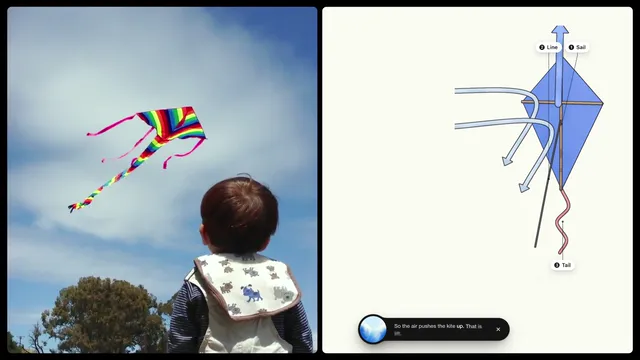
We're launching DuckyHelper.0:51
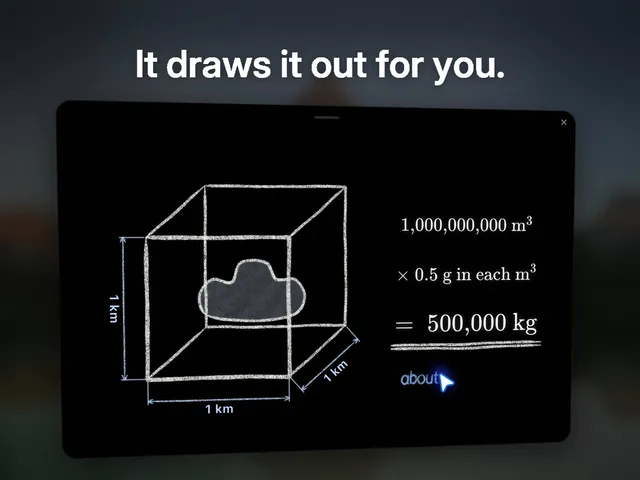
What if your screen could explain itself?0:43
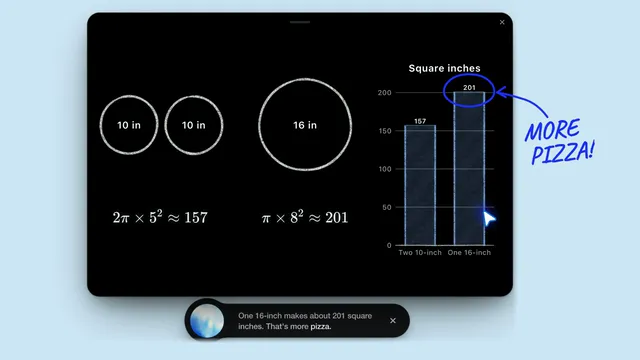
Two 10-inch pizzas or one 16-inch?0:51
Trust your curiosity.0:50
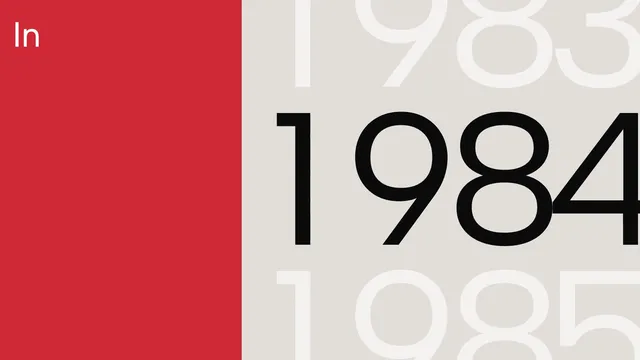
In 1984, students with a one-on-one tutor scored above 98% of the class.1:00
Twice as fast means four times the energy.0:49

Every filmAll 25 on duckyhelper.com/films, in the order they post

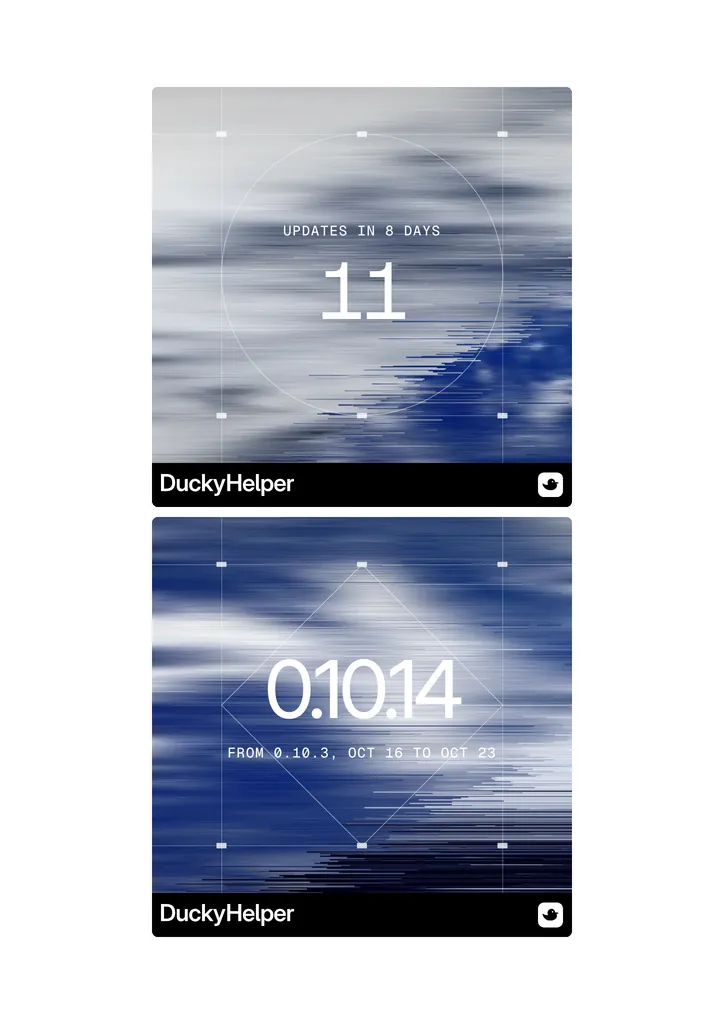
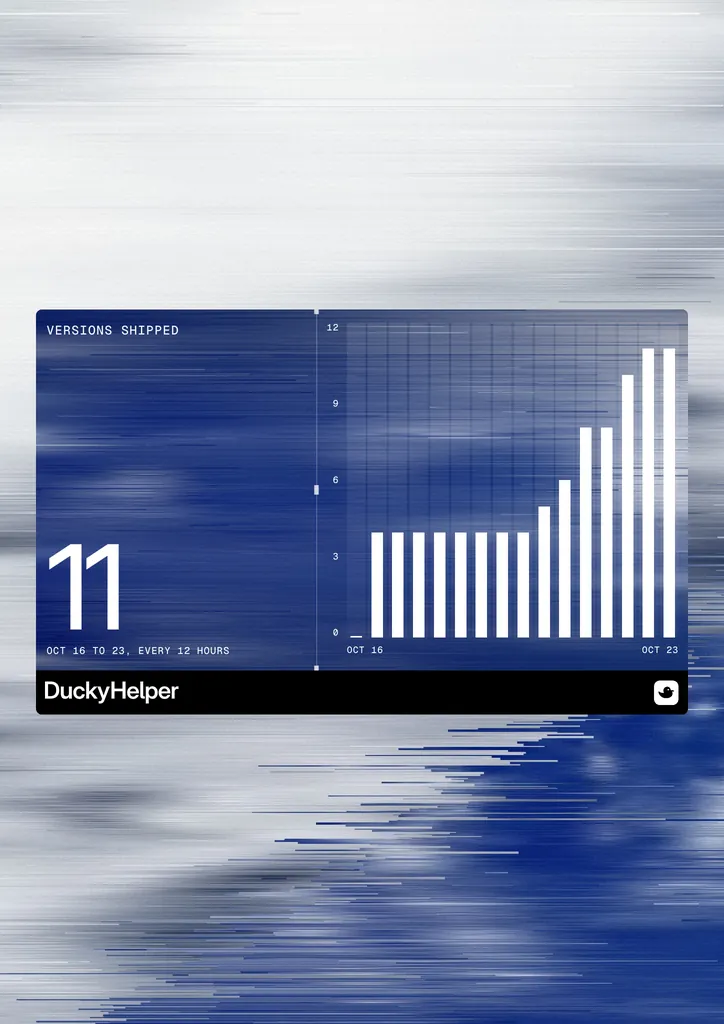
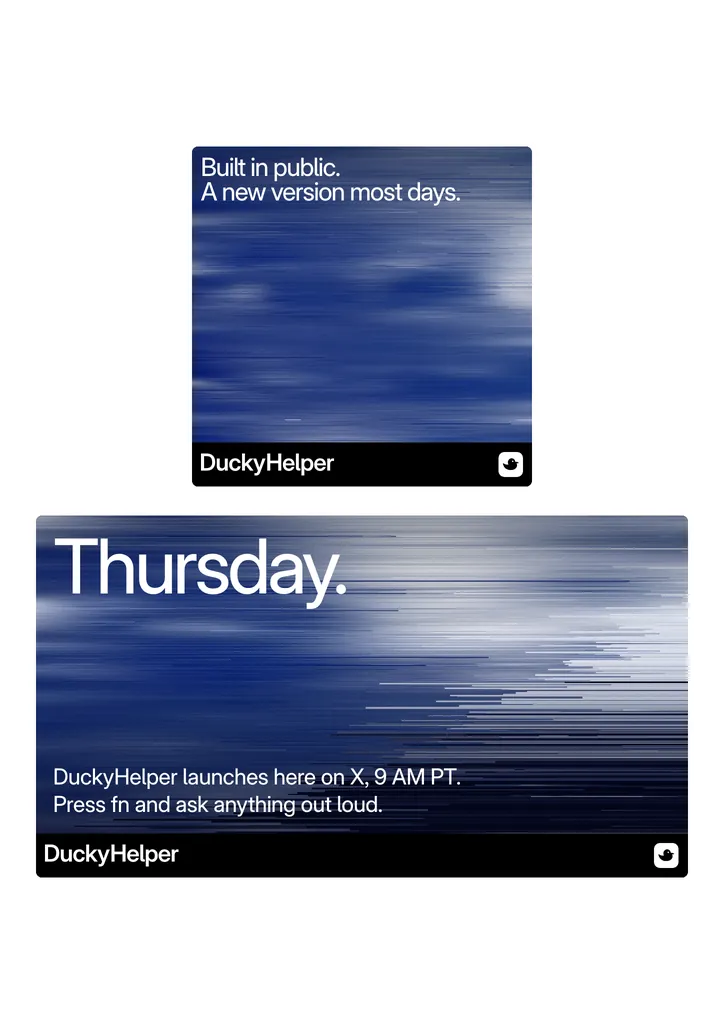
DuckyHelper card: Updates in 8 days: 11. 0.10.14 (From 0.10.3, Oct 16 to Oct 23). DuckyHelper card: Chart. Versions shipped: 11 (Oct 16 to 23, every 12 hours). DuckyHelper card: Built in public. A new version most days. Thursday. DuckyHelper launches here on X, 9 AM PT. Press fn and ask anything out loud.
MilestoneThe Giza look, for every update and milestone: cards on the smeared Earth plate, mono numbers, the hairline grid. On X: “11 updates in 8 days.”
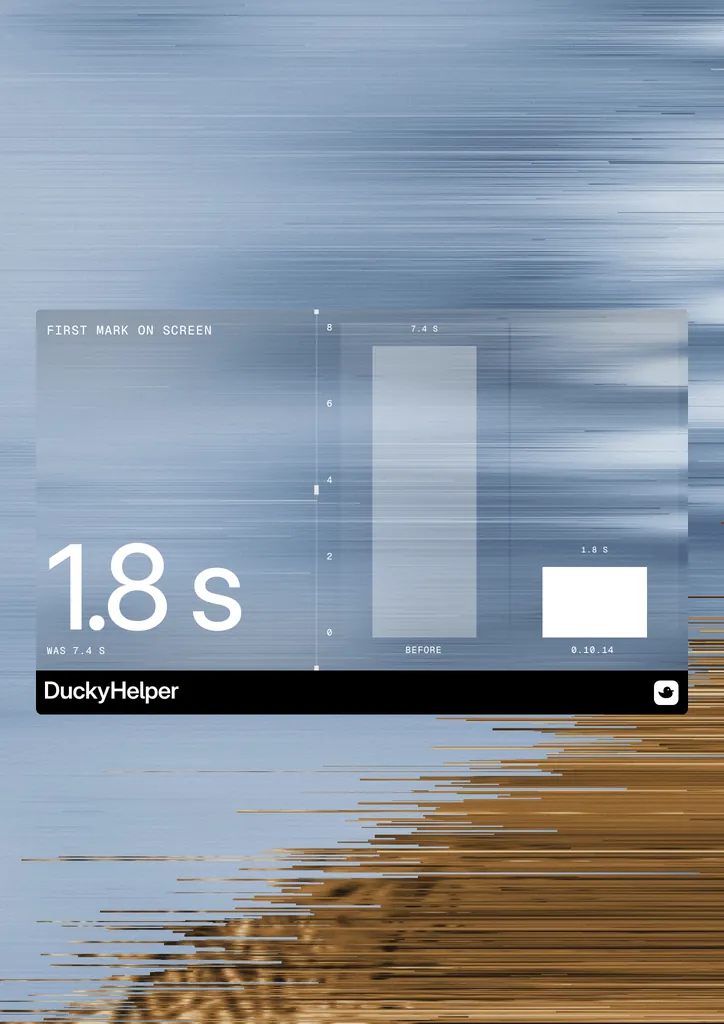
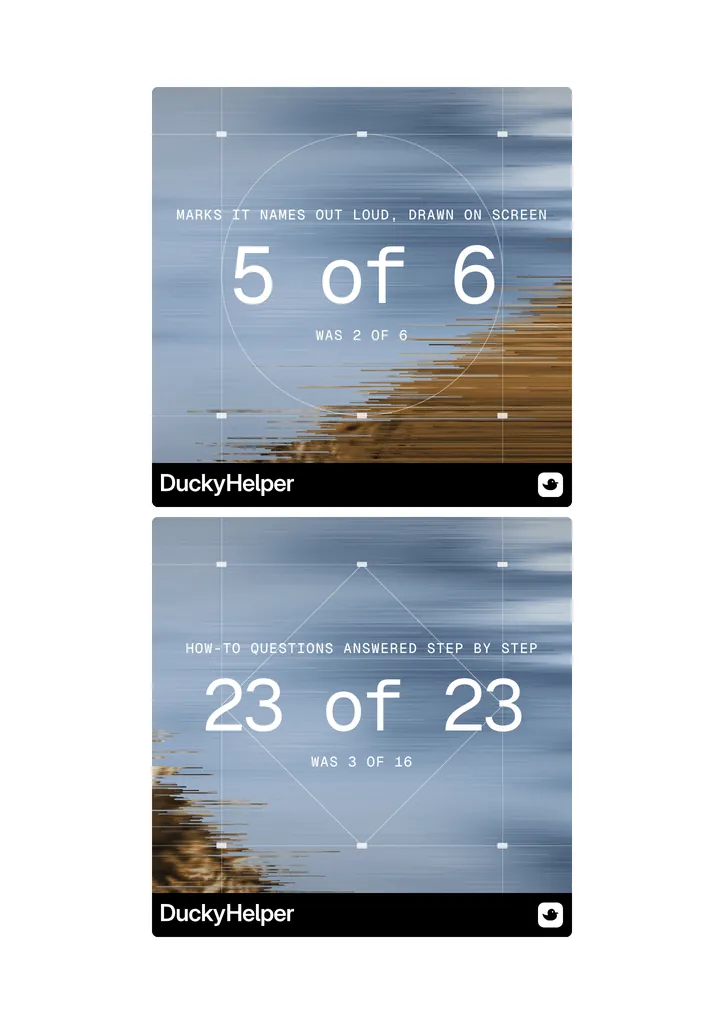
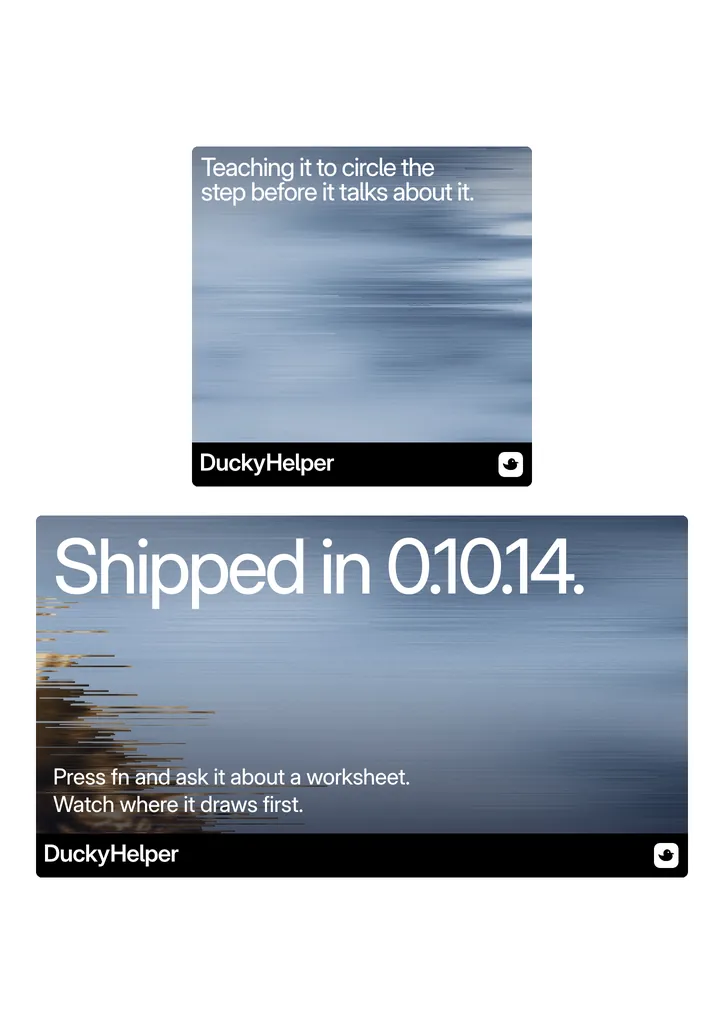
DuckyHelper card: Chart. First mark on screen: 1.8 s (was 7.4 s). DuckyHelper card: Marks it names out loud, drawn on screen: 5 of 6 (was 2 of 6). How-to questions answered step by step: 23 of 23 (was 3 of 16). DuckyHelper card: Teaching it to circle the step before it talks about it. Shipped in 0.10.14. Press fn and ask it about a worksheet. Watch where it draws first.
Build logThe same look for what we are building: a before and after, the number that moved. On X: “Build log: teaching it to circle the step before it talks about it.”
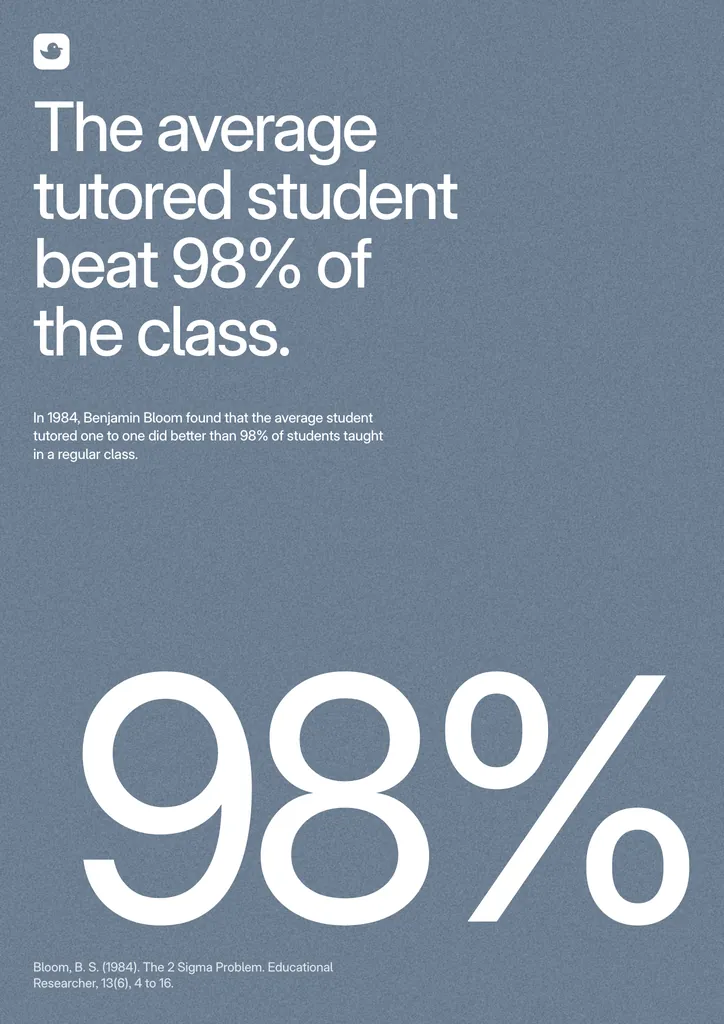
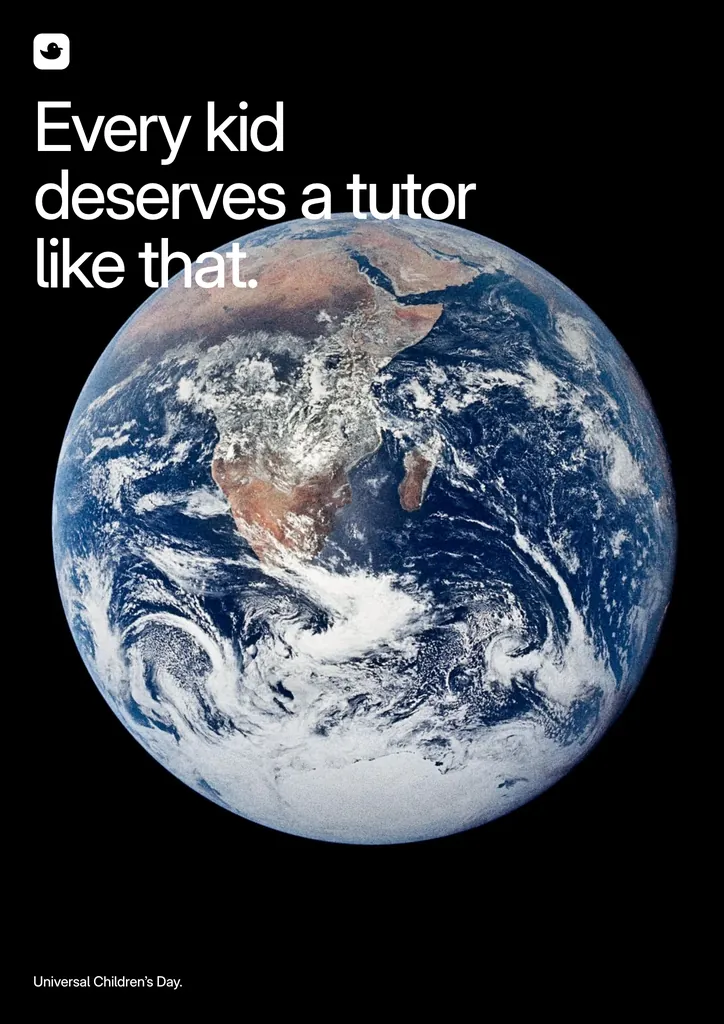
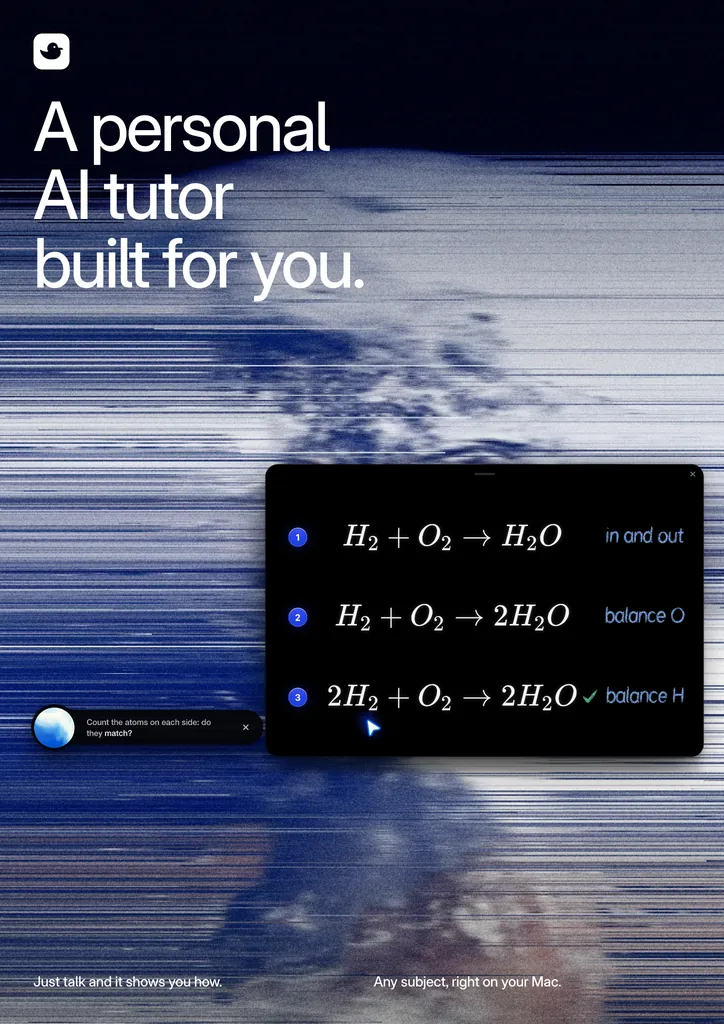
DuckyHelper card: The average tutored student beat 98% of the class. In 1984, Benjamin Bloom found that the average student tutored one to one did better than 98% of students taught in a regular class. 98%. Bloom, B. S. (1984). The 2 Sigma Problem. Educational Researcher, 13(6), 4 to 16. DuckyHelper card: Every kid deserves a tutor like that. Universal Children’s Day. DuckyHelper card: A personal AI tutor built for you. Just talk and it shows you how. Any subject, right on your Mac. Its blackboard balances the water equation in three numbered steps while it asks: Count the atoms on each side: do they match?
A messageOne line, set big over a picture, the way a poster says it. On X: “In 1984, Benjamin Bloom found that the average student tutored one to one did better than 98% of students taught in a regular class.”
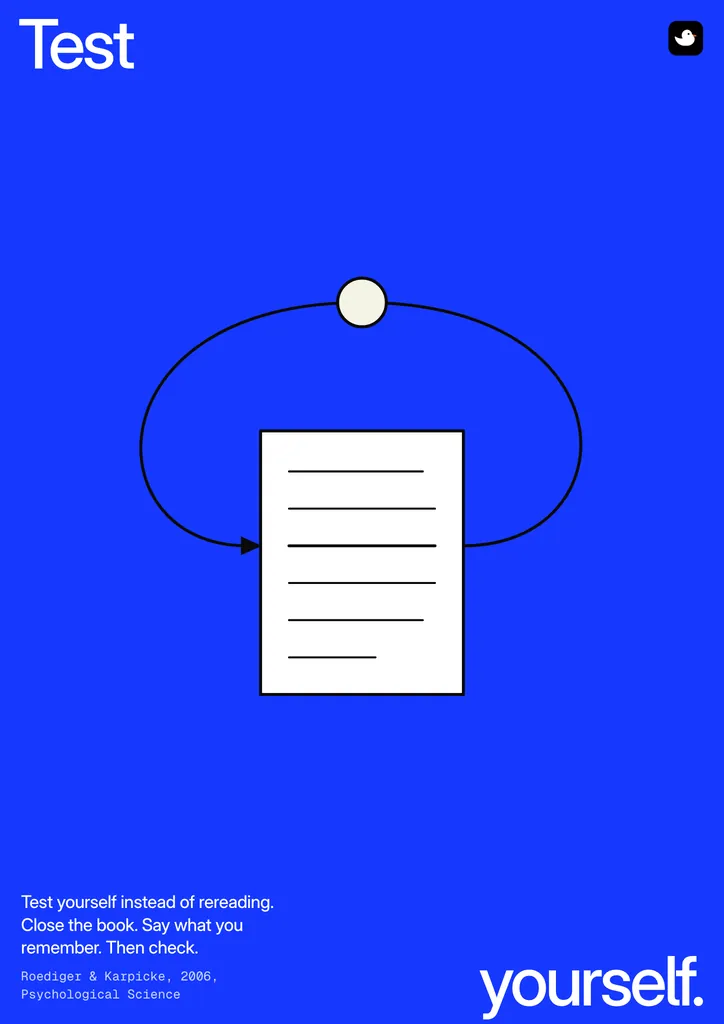
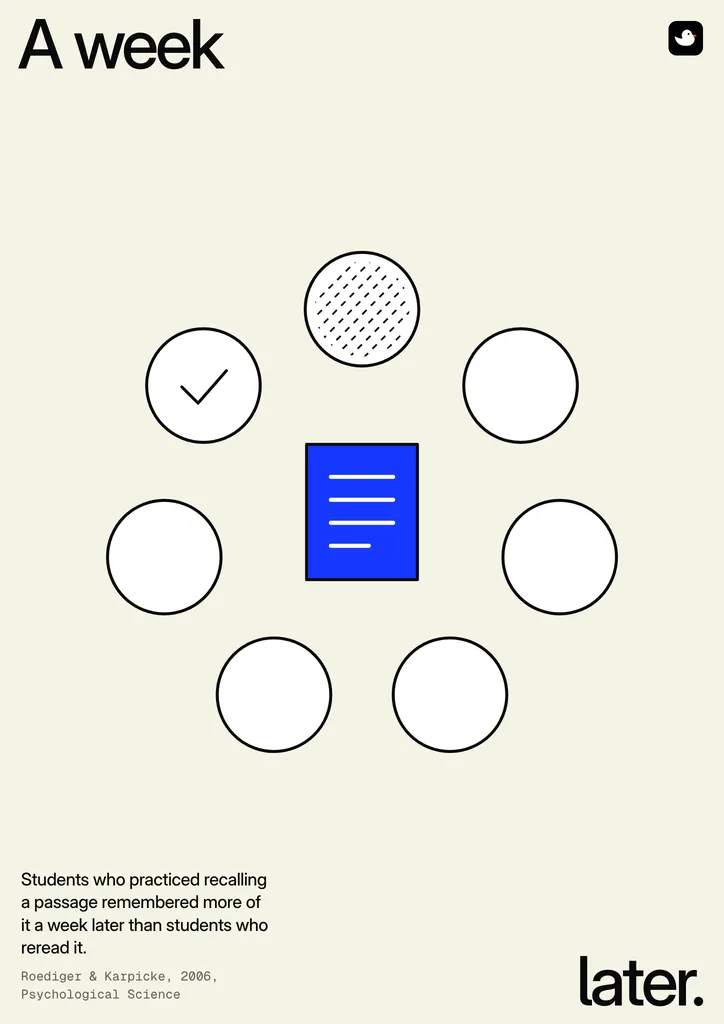
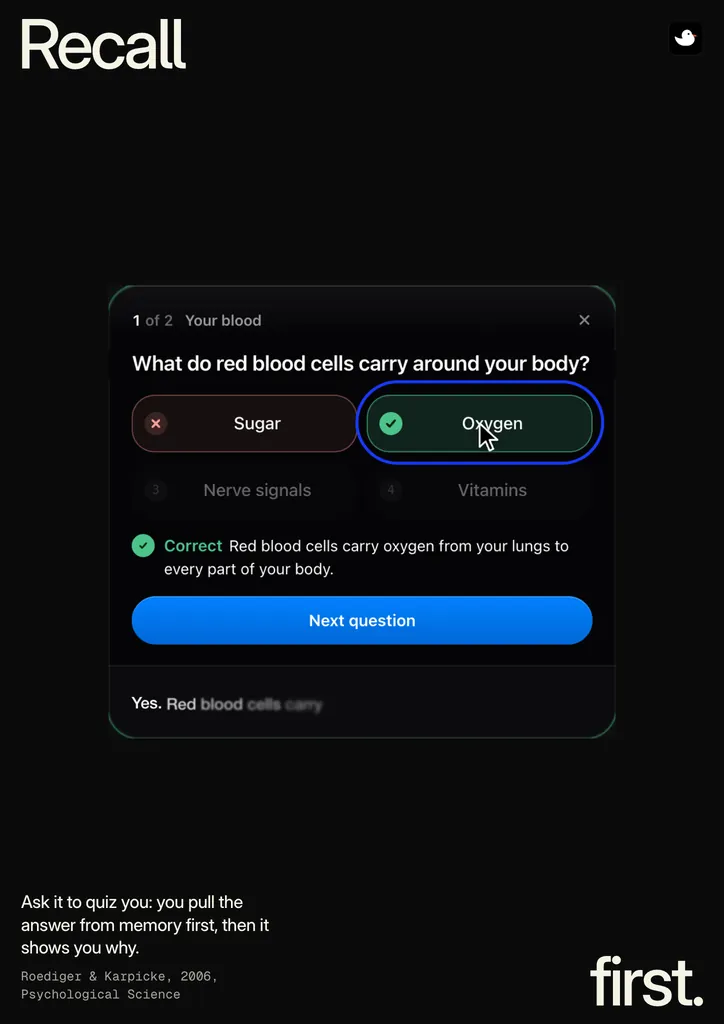
DuckyHelper card: Test. yourself. Test yourself instead of rereading. Close the book. Say what you remember. Then check. Roediger & Karpicke, 2006, Psychological Science. DuckyHelper card: A week. later. Students who practiced recalling a passage remembered more of it a week later than students who reread it. Roediger & Karpicke, 2006, Psychological Science. DuckyHelper card: Recall. first. Ask it to quiz you: you pull the answer from memory first, then it shows you why. Roediger & Karpicke, 2006, Psychological Science. You recall it first.
A tipLine drawings in our blue, one study idea per picture, the paper it comes from. On X: “Study tip with real data behind it: test yourself instead of rereading.”

Get the kit The mark, the wordmark and lockups, the colours, both fonts, the picture library and the art presets, in one folder. Start from these files, never from a screenshot.

Download the kit